The structure of a digital product, before a single colour is chosen.
Experience Architecture is the discipline that decides what exists in a product, where it lives, and how users navigate between it. It is the phase most often skipped by teams in a hurry, and the phase most responsible for expensive late-stage redesigns.
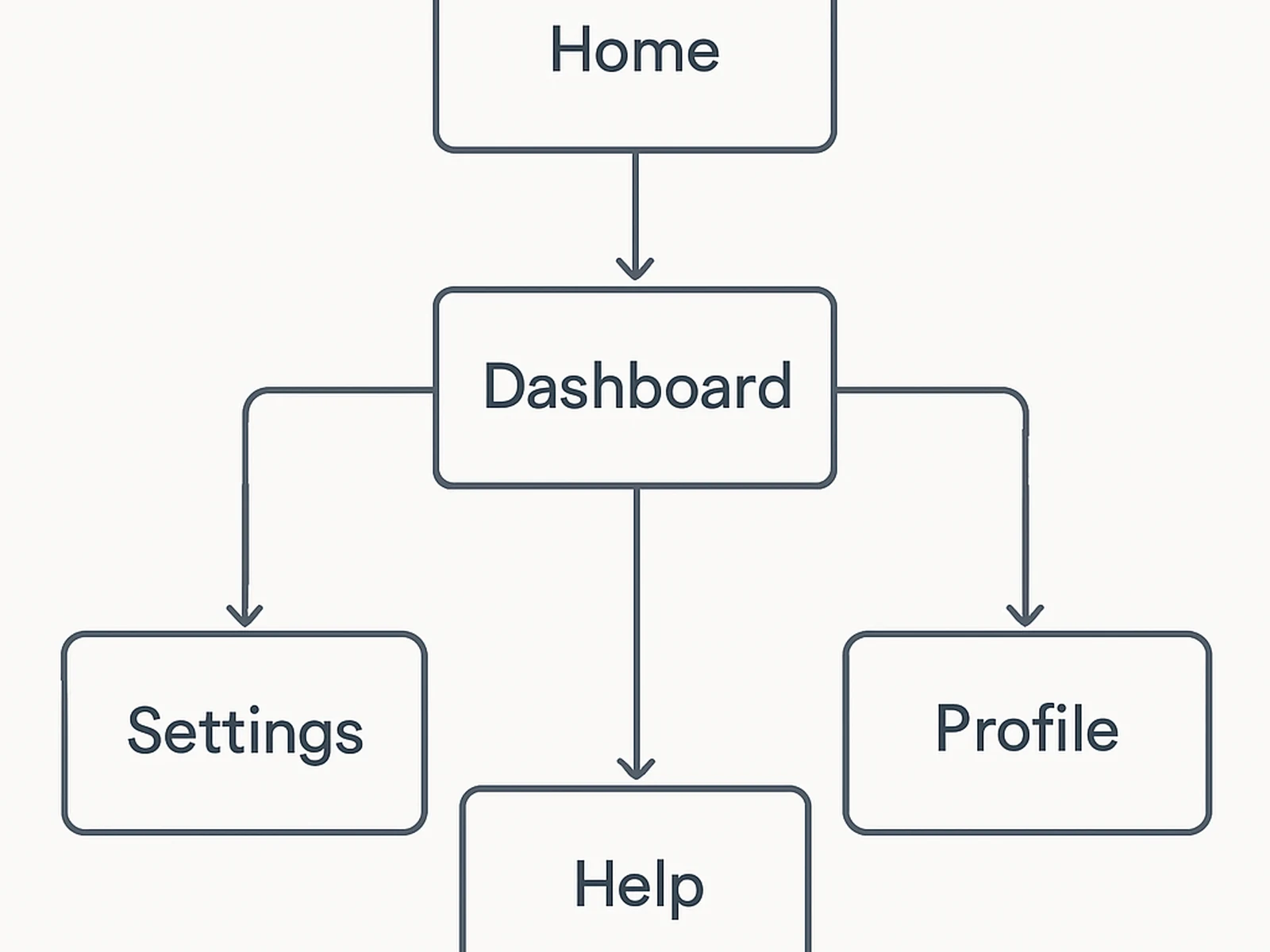
Information architecture defines the structure of a product at the content level. Before a single screen is designed, we map what exists: what content categories, what user actions, what system states, what navigational paths. This map is the foundation that every screen is built on. Without it, screens are designed in isolation, and the inconsistencies accumulate until the product feels like it was assembled from unrelated pieces.
User flows document how specific users accomplish specific tasks. Not how the designer imagines they will, but how they actually will — including the wrong turns, the back buttons, the 'what does this mean' moments, and the error states that happen when things go wrong.
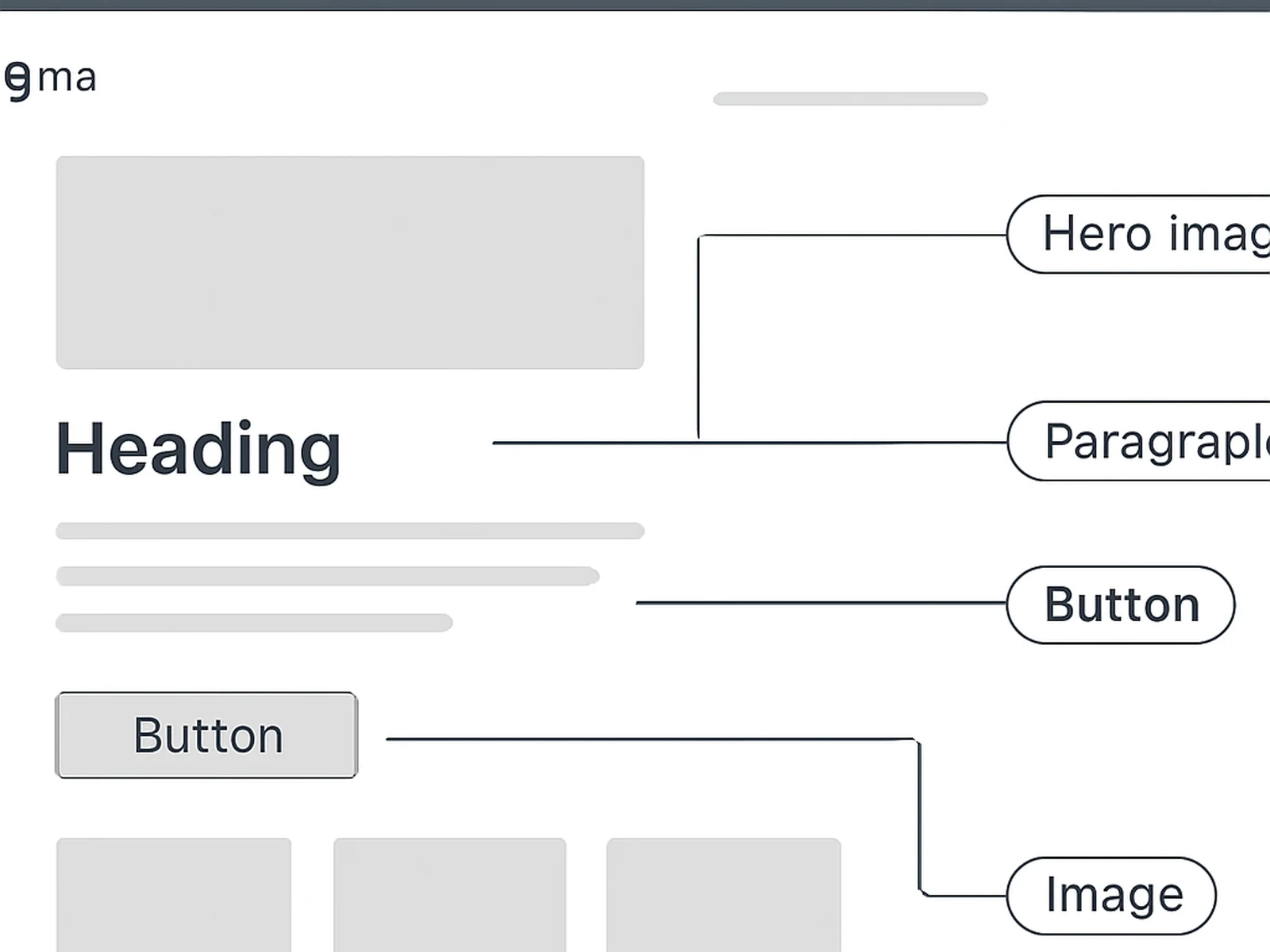
Wireframes are the output of these decisions made visual. We produce annotated wireframes in Figma — grayscale, without visual design — that show the layout logic of every screen, the content hierarchy, and the interaction model. Every annotation explains a decision and the alternative that was rejected.
Deliverable: IA diagram, user flow documentation for all primary journeys, annotated wireframe set (all screens), content specification notes, and a decision log that saves the next designer or developer from asking why something is the way it is.
In practice
A healthcare SaaS company reduced their user support ticket volume by 44% in the two months after implementing an information architecture redesign that reorganised their settings section.
Casa Brera real estate platform reduced average time-to-inquiry from 8.4 minutes to 3.1 minutes after an experience architecture restructure that eliminated three unnecessary navigation levels.
Common questions
Start this
engagement.
Add it to a package or commission it as a standalone. We reply within one business day.